Posts
Stefania Gobbi
15 Things to Do in Pisa Beyond the Leaning Tower
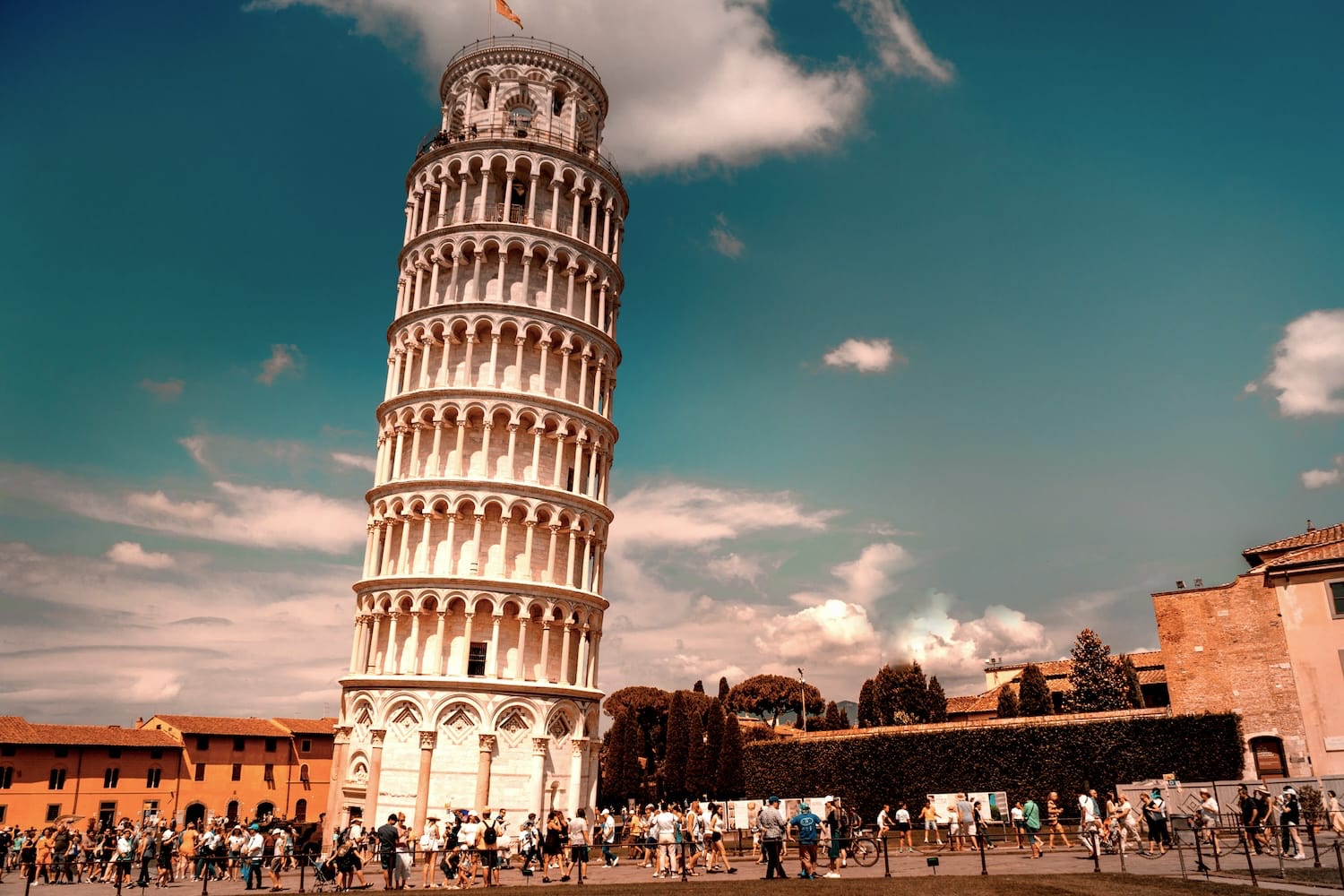
Most visitors to Pisa spend two hours taking photos at the Leaning Tower, then leave for Florence. They miss a city with Roman ships buried for millennia, a Keith Haring mural, the world’s oldest botanical garden, a second leaning tower, thermal baths where Mary Shelley dreamed up Frankenstein, and piazzas where students and locals gather for aperitivo far from tourist crowds.
If you’re wondering what to do in Pisa beyond the obvious, or you have 1 day in Pisa and want to make it count, this guide is for you.
I live here. This is my Pisa — the city beyond the tower.
1. Walk the Piagge and Find the Other Leaning Tower
Viale delle Piagge is where Pisans actually go — a 2km tree-lined promenade along the Arno River, stretching from Ponte della Vittoria to Ponte delle Bocchette. Locals jog here at sunrise, families picnic on weekends, and elderly couples stroll arm-in-arm at sunset.
Halfway along, you’ll find San Michele degli Scalzi — a church first mentioned in 1025 with Pisa’s other leaning tower. This bell tower actually tilts more dramatically than its famous cousin, though at a fraction of the size. Built on similarly unstable ground, it leans toward the river at a 5% gradient. The church was built for Benedictine monks called “Scalzi” (barefoot) who lived an austere life without shoes, wine, or dairy.
The whole walk is free, peaceful, and entirely tourist-free.
Getting there: 20-minute walk from Piazza dei Miracoli, or take bus LAM Verde.
2. Discover Ancient Roman Ships at the Arsenale
In 1998, railway workers near San Rossore station made an extraordinary discovery: 30 Roman ships buried in ancient silt, some dating to the 3rd century BC. The Museo delle Navi Antiche (Museum of Ancient Ships) now displays these remarkably preserved vessels in the 400-year-old Medici Arsenals.
This isn’t a dusty archaeology museum. You walk among actual ships — a 12-oarsman vessel called the Alkedo, river ferries with visible decks and masts, cargo ships from the early empire. The collection includes everything found with them: amphorae, glass, clothing, children’s toys, and even the skeleton of a sailor who died with his dog.
At nearly 4,800 square meters, it’s the largest museum of ancient boats in existence.
Lungarno Ranieri Simonelli. Open Wed-Sun. Allow 90 minutes.
3. Take a Beach Day at Marina di Pisa
Twenty minutes from the tower, Marina di Pisa offers a completely different experience: sandy beaches on the Ligurian Sea, a marina filled with yachts, Art Nouveau villas, and a seaside promenade lined with gelaterias and seafood restaurants.
The breakwater cliffs create calm waters perfect for swimming. In summer, rent a sun lounger at one of the stabilimenti (beach clubs) or find a spot on the spiaggia libera (free beach). Stroll the promenade, get a gelato, watch the boats.
A bike path connects Pisa to the coast — rent bikes near the train station for a perfect half-day excursion. The route passes through the San Rossore pine forest, the same landscape that inspired poet Gabriele D’Annunzio’s famous poem La pioggia nel pineto.
Take SP224 or cycle the bike path. Beach clubs open May-September.
4. Soak in Thermal Waters at San Giuliano Terme
Just 6km from Pisa, the thermal baths at San Giuliano Terme have drawn visitors since Etruscan and Roman times. The Bagni di Pisa resort occupies an elegant 18th-century building that once hosted European nobility — including Percy and Mary Shelley. Legend has it that Mary conceived Frankenstein during her stay here.
The thermal waters flow from Monte Pisano at 38°C, rich in minerals that soothe muscles and joints. Don’t miss the Grotta dei Granduchi — an intimate cave spa accessed through an 18th-century tunnel, where you can float in a natural rock-cut pool at 40°C.
Day passes are available if you’re not staying overnight. After your soak, this is the perfect area for a yoga session — I live nearby and often combine thermal relaxation with practice.
Largo Shelley 18, San Giuliano Terme. Book treatments in advance.
5. Aperitivo at Piazza della Pera
Officially called Piazza Chiara Gambacorti but known to everyone as Piazza della Pera (named for a pear-shaped Etruscan monument), this is one of Pisa’s best-kept secrets for evening drinks.
By evening, the cafes fill with students from Pisa’s prestigious universities, young families letting kids run safely in the car-free square, and locals meeting friends for aperitivo. The atmosphere is relaxed, unpretentious, and completely tourist-free.
Try Enoteca La Dolce Vite for natural wines and taglieri — the owner is passionate about organic, locally-sourced products and the wine selection is exceptional. Get there before 8pm for the best aperitivo atmosphere.
South of Ponte di Mezzo, near Piazza XX Settembre.
6. Find Keith Haring’s Last Great Mural
On the back wall of the church of Sant’Antonio Abate, you’ll find Tuttomondo — a 180-square-meter mural that American artist Keith Haring created in 1989, just months before his death. It was one of the few outdoor works he designed for permanent display.
The story behind it is remarkable: a Pisan university student met Haring on the streets of New York’s East Village and invited him to create something in Pisa. Within months, Haring was here, painting 30 colorful interlocking figures that represent peace and harmony — scissors symbolizing solidarity against evil, a woman with child representing maternity, men supporting a dolphin for humanity’s relationship with nature.
It’s free, public, and often overlooked by tourists rushing to the tower.
Piazza Vittorio Emanuele II, behind the church.
7. Wander the World’s Oldest Botanical Garden
The Orto Botanico di Pisa was founded in 1543, making it the oldest university botanical garden in the world. Botanist Luca Ghini established it — and also invented the herbarium of dried plants that scientists still use today.
Three hectares of grounds include ancient Ginkgo biloba trees planted in 1787, one of Italy’s oldest iron-framed greenhouses, fountains, ponds, and an extraordinary collection of aquatic plants. The former botany institute, adorned with seashells, dates to the 1590s.
It’s a peaceful escape from the crowds, just a few minutes’ walk from Piazza dei Miracoli.
Via Luca Ghini 5. Small entrance fee.
8. The Best View of the Tower (That Most Tourists Miss)
Yes, Piazza dei Miracoli is crowded. But there’s a secret spot with one of the best views in town: Bistrot dell’Opera, inside the Museo dell’Opera del Duomo. Head up to the second floor terrace and you’ll find yourself looking directly at the Tower and Duomo from a shaded portico — often with tables available while the crowds jostle below.
It’s not cheap, but it’s worth it for a coffee or aperitivo with that view. I often find a quiet table here when the piazza feels overwhelming.
Inside Museo dell’Opera del Duomo, Piazza dei Miracoli. Open 9am-7:45pm.
9. Admire the Gothic Jewel on the Arno
Santa Maria della Spina is a tiny 13th-century Gothic church perched right at the edge of the Arno River. Originally built to house a thorn (spina) allegedly from Christ’s crown, its elaborately decorated facade seems almost too delicate to be real.
The church was actually disassembled and moved stone by stone in 1871 to protect it from flooding — and reconstructed on higher ground. It’s now a small exhibition space, but the exterior alone is worth the visit, especially at sunset when the light catches the intricate Gothic details.
Lungarno Gambacorti. Best viewed from across the river.
10. When You’re Tired of Italian Food
Sometimes, after days of pasta and pizza, you crave something different. Pisa’s student population means excellent international options exist.
Kabuto Ramen serves authentic Japanese noodles — rich tonkotsu broth, perfectly chewy noodles, and proper toppings. It’s small and popular, so book ahead.
Lin’s Noodles - Malatang offers the Chinese hot pot experience where you choose your ingredients and they cook them in a spicy broth. It’s interactive, delicious, and completely different from anything else in town.
Both are favorites with university students and young locals.
11. Discover Hidden Wine Bars
Pisa has a thriving wine scene that most tourists never find. Skip the overpriced restaurants near the tower and seek out the enoteche where locals drink.
For a proper guide to the best hidden wine bars, see my recommendations on Vinoing’s Pisa wine bar guide. These are places where you can taste Tuscan wines by the glass, share a tagliere of local cheese and salumi, and spend an evening like a Pisan.
12. See Art at Palazzo Blu
This striking blue palazzo on the Lungarno houses one of Pisa’s best art museums. The permanent collection spans centuries of Pisan art, while rotating exhibitions bring major international shows — Warhol, Escher, and other major names have featured here.
The building itself is beautiful, and the riverside location makes it a natural stop during an evening passeggiata along the Arno.
Lungarno Gambacorti 9. Check current exhibitions online.
13. Picnic in San Rossore Natural Park
The Parco di San Rossore stretches from Pisa to the coast — 24,000 hectares of protected coastline, wetlands, pine forests, and wild beaches. Once a royal hunting reserve, it’s now one of Tuscany’s most important natural areas.
You can walk or cycle the trails through the pine forest, go horseback riding, or simply find a quiet spot for a picnic. To reach the wild coastline, you’ll need to book a guided walk — it’s worth it for access to pristine beaches most visitors never see.
The park connects to Spiaggia Marina di Vecchiano — a huge, wild sandy beach that feels a world away from the busier resort towns.
Multiple entrances. Book guided coastal walks through the park website.
14. Catch Sunset on the Lungarni
The Lungarni — the streets running along both banks of the Arno through central Pisa — are the city’s outdoor living room. As evening approaches, Pisans stroll, sit on the low walls, and gather at riverside bars.
Find a spot near Ponte di Mezzo as the sun sets. The historic buildings glow golden, the river reflects the sky, and the city’s elegant palazzi reveal themselves in the soft light. This is the Pisa that tourists rushing to catch trains never see.
Any evening, especially in summer. Bring a bottle of wine.
15. Get Lost in Pisa’s Bookshops
Pisa is home to some of Italy’s most prestigious universities, and this intellectual heritage shows in its bookshops — many of them hidden gems that only locals know.
Libreria Musetti specializes in books about Pisa and Tuscany, with sections for second-hand, out-of-print, and rare editions. It’s the kind of place where you can lose an hour browsing.
L’Orsa Minore Libri & Mappe focuses on travel literature and maps — perfect for planning your next adventure or finding a unique gift.
Both offer that increasingly rare experience of browsing physical books in beautiful, atmospheric spaces.
Beyond the Tower
Pisa rewards those who stay. The tower is remarkable, but the best attractions in Pisa lie beyond it: the riverside walks, the hidden piazzas, the ancient ships, the thermal waters. These are the places that offer something the tower cannot: a glimpse of how Italians actually live.
Need language support during your visit? I also offer professional interpreting services for tourists exploring Tuscany — whether you’re visiting museums, wineries, or navigating local services.
If you’re visiting Pisa and want to combine exploration with yoga, I offer private sessions throughout the city and surrounding areas. Start your day with practice, then spend it discovering these hidden corners. Or join me for a bespoke retreat that weaves yoga into the full Tuscan experience.
Get in touch — I’d love to share my city with you.
Sources:


Ready to start your yoga journey?
Book a personalized session with Stefania and discover the benefits of Vinyasa Yoga.
Book Now
Latest posts
Aug 03, 2025
Forest Bathing in Tuscany: Stillness in Garfagnana
Jul 27, 2025
The Via Francigena: Tuscany's Path to Presence
Aug 03, 2025
Forest Bathing in Tuscany: Stillness in Garfagnana
Jul 27, 2025
The Via Francigena: Tuscany's Path to Presence
Stefania Gobbi
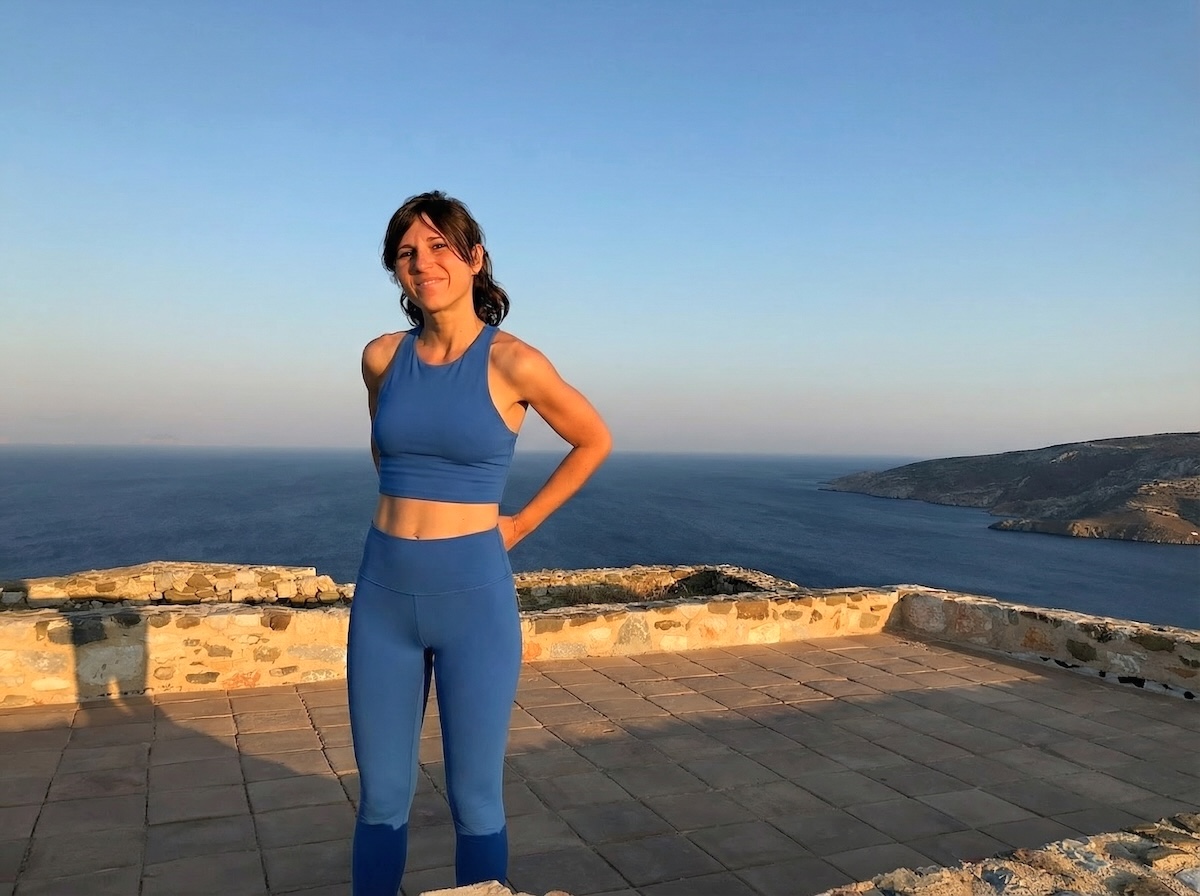
I'm Stefania, a certified Yoga teacher (YTT Jason Crandell Yoga Method) and a Yoga Alliance member. I'm based in the Tuscan hills near Pisa. I've been practicing different styles of yoga for more than 23 years and I can now say that my passion lies in Vinyasa yoga — I'm fascinated by how the physical discipline interweaves with its meditative essence, creating a practice that nurtures both body and mind. As an avid traveller myself, I understand what it means to seek balance while exploring new places. I'm fluent in English, Italian, and Spanish, and also speak French — so we can practice in whichever language feels most natural to you. I'm also an AIS certified sommelier and I'm happy to recommend the perfect local wine to complement your Tuscan experience. I also offer professional interpreting services for visitors to Tuscany.
Book Now