Posts
Stefania Gobbi
The Via Francigena: Tuscany's Path to Presence
The best journeys are the ones measured in footsteps rather than kilometres. I learned this on an autumn morning somewhere between San Miniato and Gambassi Terme, when I stopped checking my phone for distance and started noticing how the light fell through olive groves. The Via Francigena does this to you,strips away the urgency we carry without knowing, replaces it with something older and slower.
For over a thousand years, pilgrims have walked this route from Canterbury to Rome. The Tuscan section stretches nearly 400 kilometres, crossing the region from the mountain pass at Pontremoli to the southern border at Radicofani. Unlike the increasingly crowded Camino de Santiago, the Via Francigena remains relatively undiscovered,a quieter way to walk yourself into a different relationship with time.
A Moving Meditation
I first encountered the Via Francigena not as a pilgrim but as someone seeking what the yoga tradition calls pratyahara,withdrawal of the senses from distraction. My practice had become routine, performed rather than felt. A friend suggested walking.
Those first days were humbling. My feet blistered. My shoulders ached from an overpacked rucksack. I missed the comfort of familiar spaces. But somewhere around the third morning, walking through the Val d’Elsa as mist lifted from the vineyards, something shifted. Without the usual scaffolding of schedules and screens, awareness expanded to fill the space. I noticed the way light moved through olive leaves, the particular silence of certain valleys, how my breath deepened without effort.
This is what the ancients understood: walking is itself a contemplative practice. The repetitive motion of footsteps becomes a mantra. The changing landscape becomes an object of meditation. You don’t need to believe in anything to experience what pilgrims have always known,that sustained walking changes consciousness.
The Tuscan Stages
The route through Tuscany divides into fifteen official stages, though you can walk as few or as many as time allows. Each section offers something distinct.
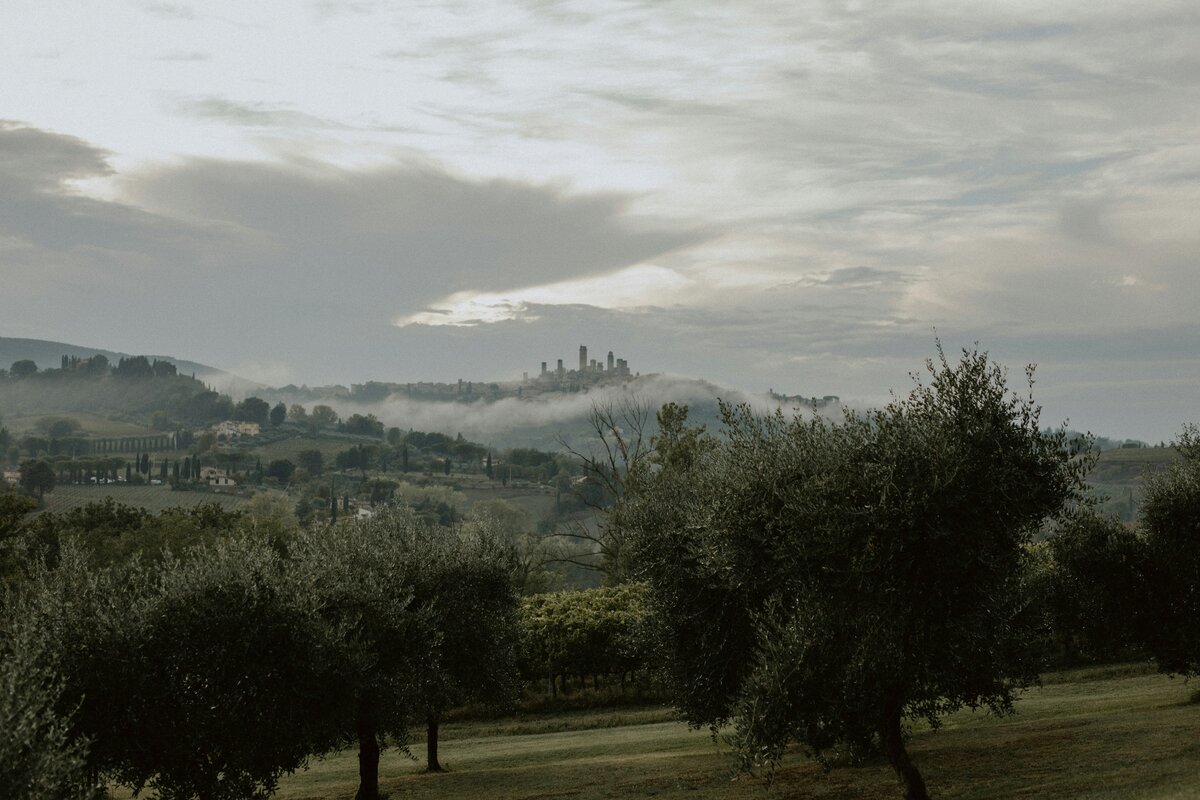
From the Cisa Pass, the path descends into Lunigiana,a borderland of castles and chestnut forests that feels removed from modern Italy. The walking here is mountainous, demanding, solitary. Further south, the route enters gentler territory: Lucca with its Renaissance walls, San Miniato perched on its hill, the medieval towers of San Gimignano visible from kilometres away.
But it’s the final stages through the Val d’Orcia that lodge deepest in memory. This UNESCO-protected landscape,those singular cypress trees, those ribbons of white road, that particular quality of golden light,feels designed for walking. The body moves through what the eye can barely absorb.
The most popular stages begin or end in Lucca, Siena, and San Miniato. Each September, Monteriggioni hosts a Slow Travel Festival celebrating pilgrimage culture. But any time of year, the path is open. You can collect stamps in a pilgrim credential, sleep in simple hostels alongside fellow walkers, and cover the final 100 kilometres to earn a Testimonium,the traditional pilgrimage certificate.
Walking as Yoga
What surprised me most was how naturally walking complemented my existing practice. Morning stretches prepared the body for the day’s kilometres. Evening sessions released accumulated tension. The rhythm of walking,that gentle oscillation between effort and ease,mirrors the central principle of yoga: sthira sukham asanam, steadiness and comfort in every posture.
I began to see the path itself as a teacher. Uphill sections demanded presence, asking me to stay with discomfort rather than resist it. Descents required surrender, letting gravity do its work. Flat stretches opened space for something like seated meditation,awareness settled, breath flowing, thoughts arising and passing without attachment.
The Italian landscape added its own dimension. Unlike walking in nature that feels wild or indifferent, Tuscany is a cultivated harmony between human and land. Centuries of care have shaped these hills, these vineyards, these stone farmhouses positioned perfectly on ridgelines. Walking through this landscape feels less like conquering territory than joining a conversation that’s been ongoing for millennia.
Beginning Your Journey
You don’t need to walk for weeks to benefit. Even a single day on the Via Francigena offers something that touring by car cannot,direct, embodied contact with a landscape, with yourself.
The official Via Francigena website provides detailed stage descriptions, accommodation options, and credential information. Spring and autumn offer ideal walking weather, with April and September the most popular months. Good walking shoes, light layers, and an openness to simplicity are all you truly need.
Combine Walking with Practice
If you’re drawn to explore the Via Francigena and want to deepen the experience with yoga or meditation, I offer private sessions that complement pilgrimage beautifully,morning practice before walking, evening restoration after.
Get in touch to plan your journey.


Ready to start your yoga journey?
Book a personalized session with Stefania and discover the benefits of Vinyasa Yoga.
Book Now
Latest posts
Aug 03, 2025
Forest Bathing in Tuscany: Stillness in Garfagnana
Jul 20, 2025
Where Tuscany Calms the Mind and Fills the Soul
Aug 03, 2025
Forest Bathing in Tuscany: Stillness in Garfagnana
Jul 20, 2025
Where Tuscany Calms the Mind and Fills the Soul
Stefania Gobbi
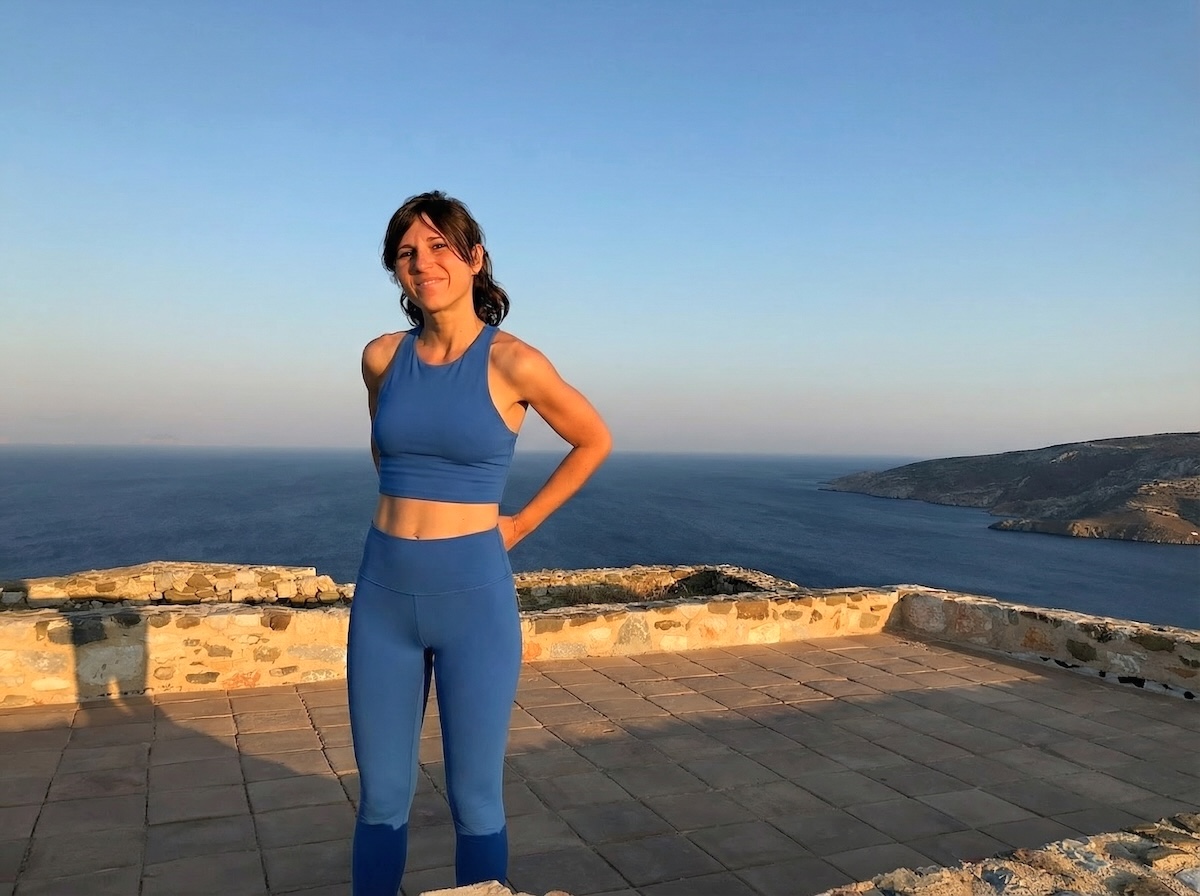
I'm Stefania, a certified Yoga teacher (YTT Jason Crandell Yoga Method) and a Yoga Alliance member. I'm based in the Tuscan hills near Pisa. I've been practicing different styles of yoga for more than 23 years and I can now say that my passion lies in Vinyasa yoga — I'm fascinated by how the physical discipline interweaves with its meditative essence, creating a practice that nurtures both body and mind. As an avid traveller myself, I understand what it means to seek balance while exploring new places. I'm fluent in English, Italian, and Spanish, and also speak French — so we can practice in whichever language feels most natural to you. I'm also an AIS certified sommelier and I'm happy to recommend the perfect local wine to complement your Tuscan experience. I also offer professional interpreting services for visitors to Tuscany.
Book Now