Posts
Stefania Gobbi
• 3 min read
What is Ashtanga Yoga? The Eight-Limbed Path
Ashtanga yoga is one of the most structured and disciplined forms of yoga you’ll encounter. If you’re drawn to consistency, physical challenge, and a practice rooted in ancient philosophy, this might be your path.
What Does “Ashtanga” Mean?
The word comes from Sanskrit: “Ashta” means “eight” and “Anga” means “limb.”1 Ashtanga yoga refers to the eight-limbed path outlined by the sage Patanjali in the Yoga Sutras over 2,000 years ago.
These eight limbs are:
- Yama — Ethical restraints (non-harming, truthfulness)
- Niyama — Personal observances (cleanliness, contentment, discipline)
- Asana — Physical postures
- Pranayama — Breath control
- Pratyahara — Withdrawal of the senses
- Dharana — Concentration
- Dhyana — Meditation
- Samadhi — Absorption, enlightenment
The physical practice most people know as “Ashtanga” is just the third limb — but it’s designed as a gateway to the others.2
A Brief History
Modern Ashtanga Vinyasa Yoga was developed by Sri K. Pattabhi Jois (1915-2009) in Mysore, India.1 He studied under the legendary Tirumalai Krishnamacharya and established the Ashtanga Yoga Research Institute in 1948.
What makes Ashtanga unique is its fixed sequences. Unlike Vinyasa, where teachers create varied flows, Ashtanga follows the same series of poses in the same order, every time. The Primary Series contains approximately 41 asanas and takes about 90 minutes to complete.3
The Series Structure
Ashtanga has six series, though most practitioners focus on the first two:
- Primary Series (Yoga Chikitsa) — “Yoga therapy” — designed to detoxify and align the body
- Intermediate Series (Nadi Shodhana) — “Nerve cleansing” — opens energy channels
- Advanced Series (A, B, C, D) — For dedicated, long-term practitioners
The Primary Series emphasizes forward bends, which are said to increase digestive fire and calm the nervous system.3
What Does the Research Say?
Studies have documented real, measurable benefits:
- Improved muscular endurance and flexibility — An 8-week study found significant improvements in upper body and core strength, hamstring and trunk flexibility4
- Better cardiovascular fitness — The dynamic nature of the practice elevates heart rate
- Reduced body fat — Participants showed decreases in overall body fat percentage4
- Bone health — An 8-month study found yoga practitioners maintained bone formation markers that declined in non-practitioners5
- Neurological changes — Brain imaging studies show experienced practitioners have different brain metabolism patterns, particularly in areas related to focus and calm6
Is Ashtanga Right for You?
Ashtanga suits those who:
- Thrive with structure and routine
- Want a physically demanding practice
- Are willing to commit long-term (it takes years to master)
- Appreciate the meditative quality of repetition
- Seek discipline as a path to mental clarity
It’s not typically recommended for complete beginners — most teachers suggest starting with Hatha or gentle Vinyasa first. However, “Mysore style” classes allow you to learn at your own pace with individual guidance.
Begin Your Journey
The beauty of Ashtanga is that the practice meets you where you are. You don’t need to complete the full Primary Series to benefit — even the first few Sun Salutations, done with awareness, can be transformative.
If you’re curious about Ashtanga or want to deepen an existing practice, get in touch — we can help guide your first steps on this ancient path.
References:


Ready to start your yoga journey?
Book a personalized session with Stefania and discover the benefits of Vinyasa Yoga.
Book Now
Categories
Latest posts
Aug 03, 2025
Forest Bathing in Tuscany: Stillness in Garfagnana
Jul 27, 2025
The Via Francigena: Tuscany's Path to Presence
Aug 03, 2025
Forest Bathing in Tuscany: Stillness in Garfagnana
Jul 27, 2025
The Via Francigena: Tuscany's Path to Presence
Stefania Gobbi
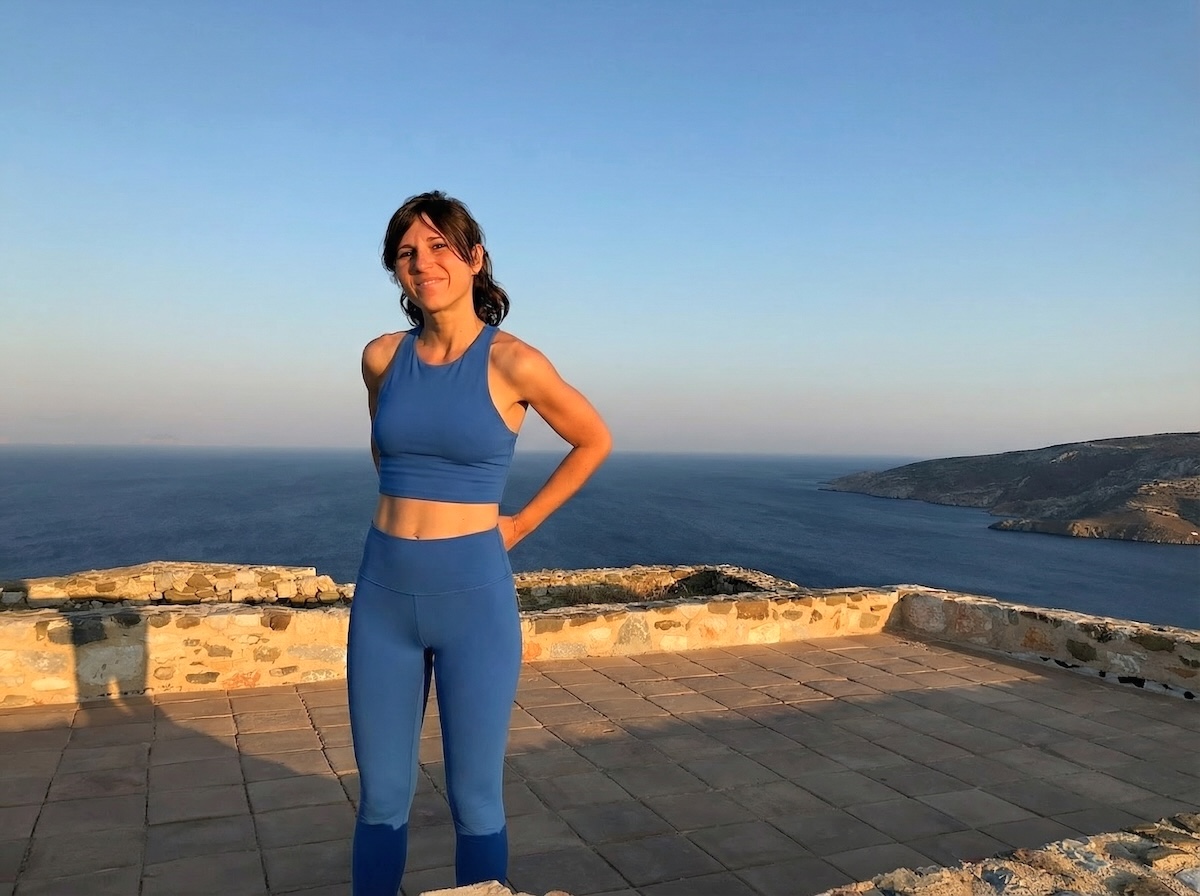
I'm Stefania, a certified Yoga teacher (YTT Jason Crandell Yoga Method) and a Yoga Alliance member. I'm based in the Tuscan hills near Pisa. I've been practicing different styles of yoga for more than 23 years and I can now say that my passion lies in Vinyasa yoga — I'm fascinated by how the physical discipline interweaves with its meditative essence, creating a practice that nurtures both body and mind. As an avid traveller myself, I understand what it means to seek balance while exploring new places. I'm fluent in English, Italian, and Spanish, and also speak French — so we can practice in whichever language feels most natural to you. I'm also an AIS certified sommelier and I'm happy to recommend the perfect local wine to complement your Tuscan experience. I also offer professional interpreting services for visitors to Tuscany.
Book Now